Symbols For Our Liminal Times
From the earliest moments of human history, symbols have been how we make sense of the world. Before written language, before formal belief systems, before borders, humans marked meaning through shape, pattern, and form. These were not just decoration. They were communication, memory, and a way of saying, “this matters.”
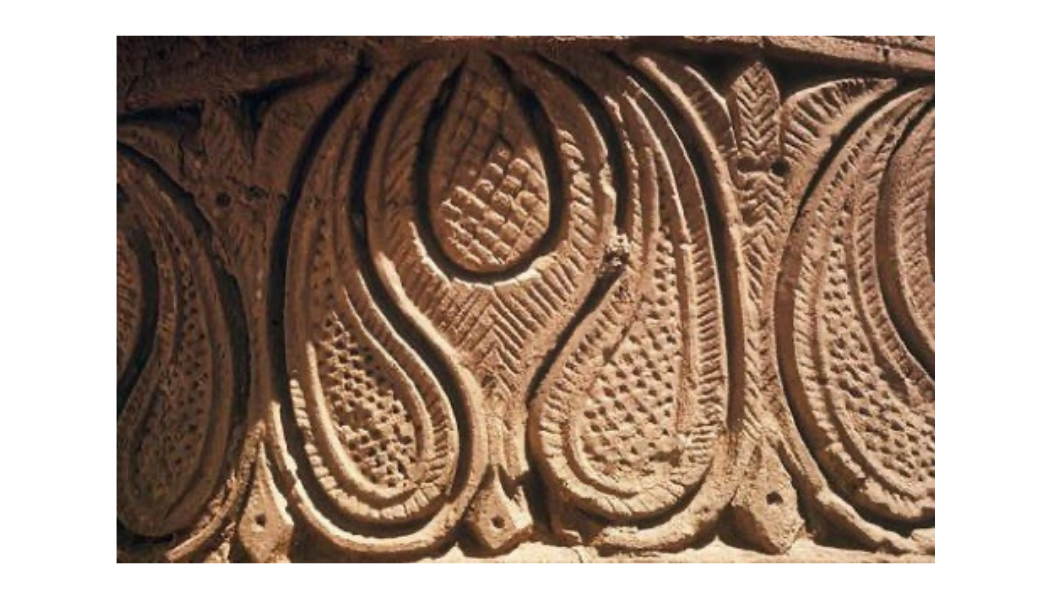
Botah Symbols, Noh Gunbad Masjid, early 8th century, Balkh, Afghanistan
When I first started designing pieces for Mazahri, I was drawn to ancient symbols and motifs that carried this same sense of universality, forms that held shared meaning while remaining rooted in my culture and heritage, originating in Afghanistan and greater Central Asia. At the time, my intention was to shed light on the meanings behind these motifs as a way of preserving a cultural language that was, and still is, at great risk of erasure.
Over the past couple of years, my relationship to these symbols has shifted. I find myself gravitating to them now not only as a way of preserving culture, but as a way of grounding myself and maintaining a sense of hope and meaning in our shared humanity and goodness, as each day seems to bring more upheaval in the world. In a way, these symbols have become even more universal and foundational for me.
During this first week of 2026, I am reflecting even more on the role of symbols in our shared understanding of ourselves. Traditionally, I have looked to the start of a new year as a fresh beginning, a moment that ushers in new energy and new cycles. But with the seemingly rapid pace of change and uncertainty in recent years, the last few new years have almost felt like false starts. Even now, only days into the year, I already feel overwhelmed by the state of the world. Symbols give me a way to stay oriented within that feeling, rather than lost inside it. Still, and perhaps because of this, I find comfort and a sense of grounding in our shared oneness, our humanity, and my belief that our collective sense of love is stronger than fear.
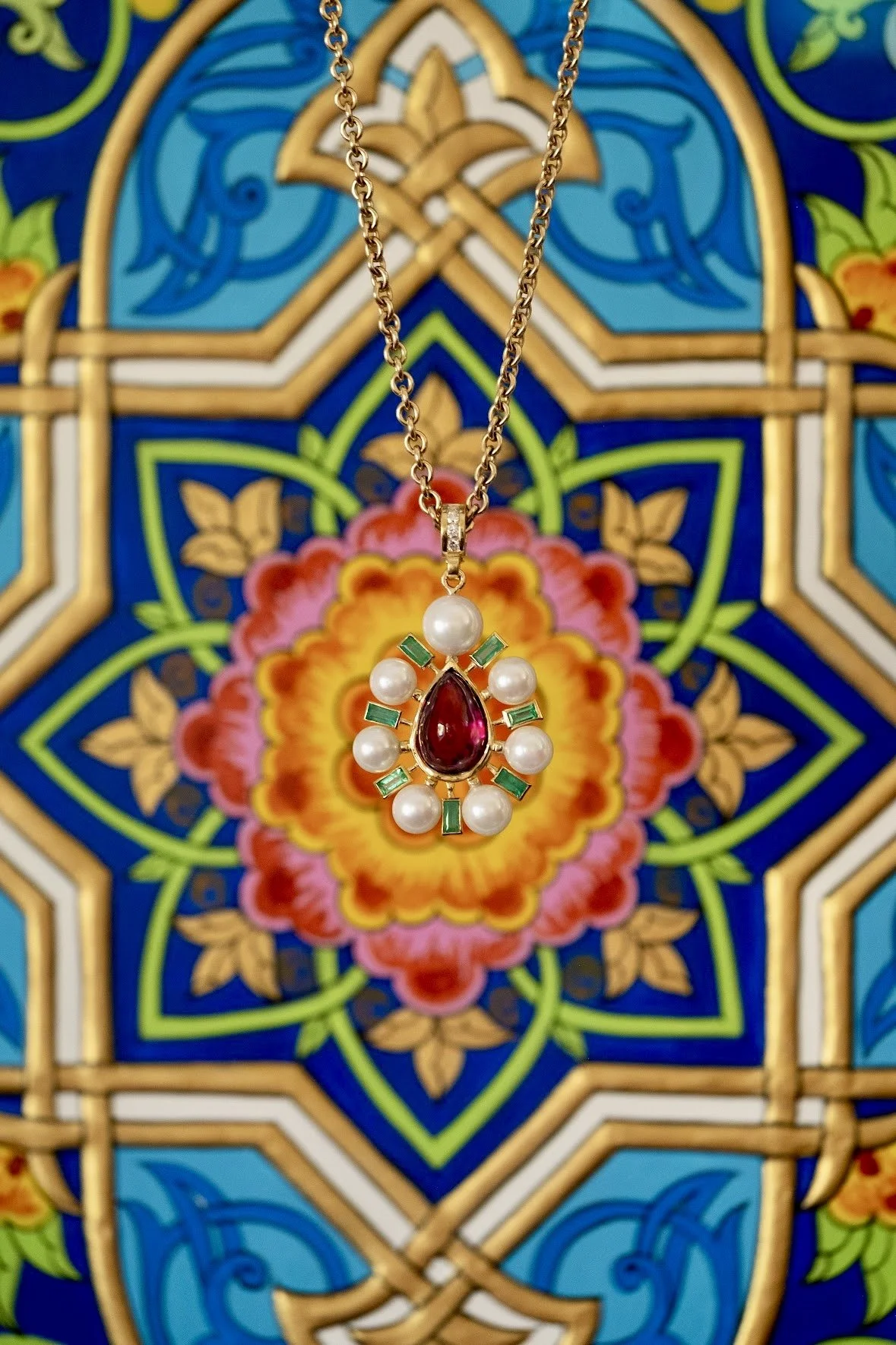
Mazahri Pearly Pear Cosmos celebrating our Oneness
Now, symbols feel less like references to the past and more like tools for orientation. They are not about nostalgia or decoration, but about remembering what matters when the ground feels unsteady. Long before written language or formal belief systems, humans used symbols to mark meaning, create continuity, and communicate shared values in moments of uncertainty and transition.
This is why we continue to return to them now. When familiar structures no longer offer reassurance and the future feels unclear, symbols become a quiet language we can still trust. They do not explain the world or resolve its complexity, but they help us remain connected to ourselves and to one another within it. In this way, symbols endure not because they belong to the past, but because they remain deeply necessary in the present.